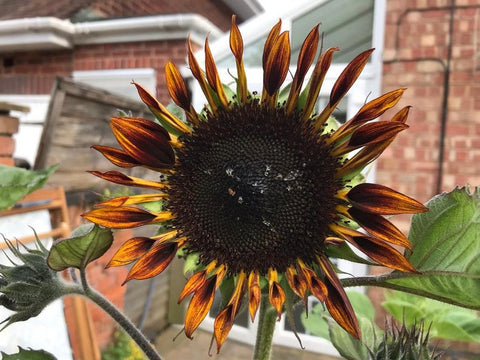
Tiger Sunflower Seeds

$16.99 $8.99

Style

Add to Wishlist

Rejoice, sunflower lovers! Our radiant new bicolor beauties have it all, for garden, vase, and happy bees, butterflies, and other pollinators. Enjoy a bounty of up to eight 5-inch blooms per plant — you’ll get armloads of bright bouquets. The blooming plants look balanced rather than top-heavy, thanks to a sturdy branching habit. Their shorter stature makes harvesting easy. They’d be fantastic for containers on a porch or patio, too.

About this item

  • CERTIFIED ORGANIC SEEDS: In your garden or greenhouse these beautiful organic sunflower seeds bloom into an array of Tiger's Eye colors that bring beneficial insects & pollination to your garden.
  • FLOWER GARDEN: Hone your green thumb for these beautiful organic flower seeds. Plant & watch them grow in garden beds, terra cotta pots and outdoors to promote pollination and natural pest control.
  • SEEDS FOR PLANTING: These certified organic seeds are pesticide-free & non-GMO. Moisture-proof packets with a resealable zipper keep seeds viable for up to 3 years. Perfect especially for heirloom seeds.
  • SEED TO PLATE: What began as curiosity about urban farming turned into a passion to reconnect families to food by creating an experience for people to cherish the goodness of nature in their gardens.
  • ORGANIC GARDENING: Seeds of Change was built on the premise of preserving biodiversity, sustainability, & organic seeds with the promise of making organic foods available to gardeners & farmers since 1989.


The primary purpose of a flower is Repreproduction. Since the flowers are the reproductive organs of plant, they mediate the joining of the sperm, contained within pollen, to the ovules — contained in the ovary. Pollination is the movement of pollen from the anthers to the stigma. The joining of the sperm to the ovules is called fertilization. Normally pollen is moved from one plant to another, but many plants are able to self pollinate. The fertilized ovules produce seeds that are the next generation. Sexual reproduction produces genetically unique offspring, allowing foradaptation. Flowers have specific designs which encourages the transfer of pollen from one plant to another of the same species. Many plants are dependent upon external factors for pollination, including: wind and animals, and especially insects. Even large animals such as birds, bats, and pygmy possums can be employed. The period of time during which this process can take place (the flower is fully expanded and functional) is called anthesis. The study of pollination by insects is called anthecology. India is the land of colors and diversity. It is reflected well through the range of flowers, which is found from Kashmir to Kanyakumari, Attock to Cuttack from Ganganagar to Itanagar and from Leh to Lakshadweep.